
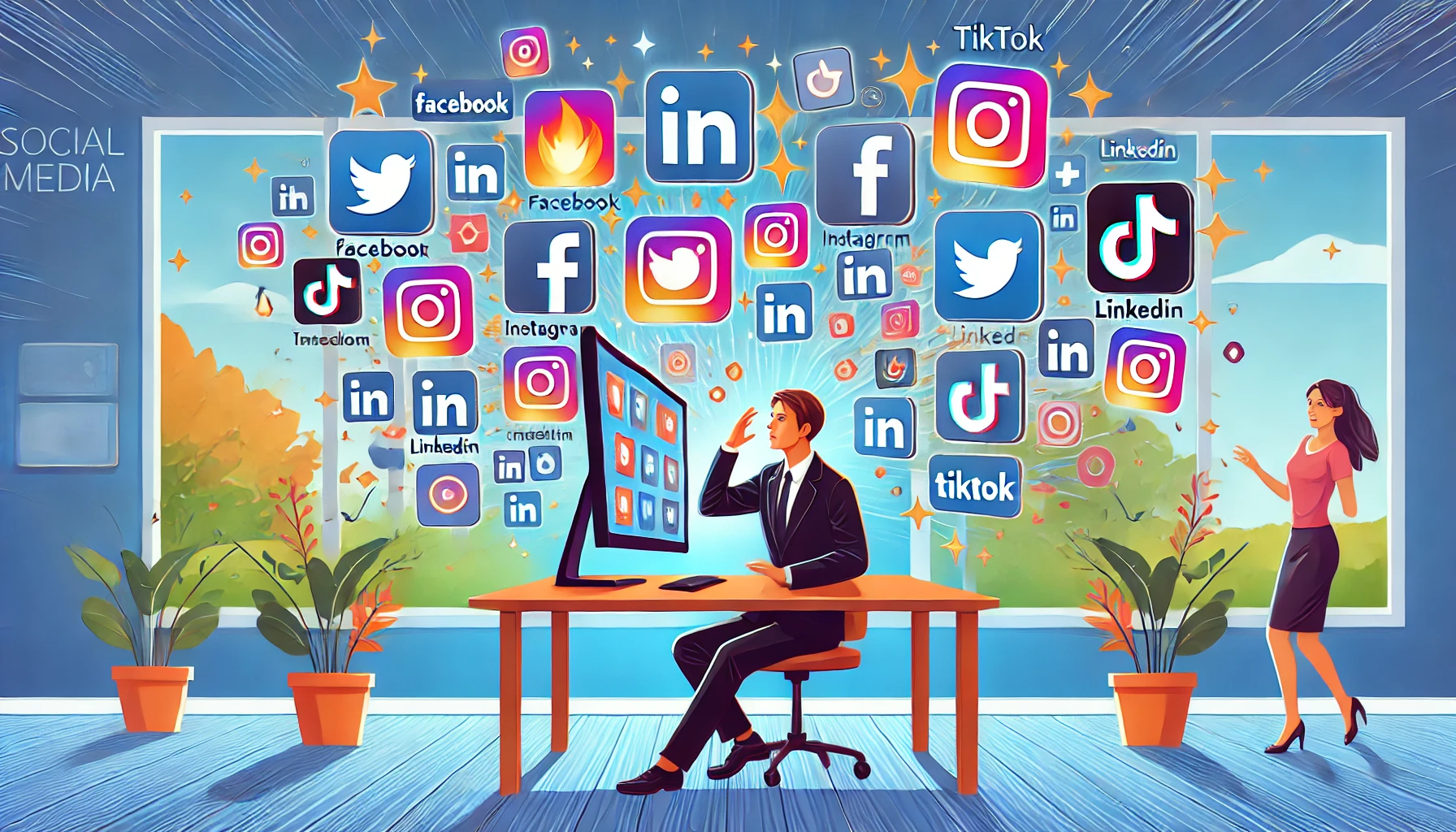
Social media can be a powerful business tool only when used wisely. Spreading yourself too thin by trying to maintain a presence on every platform drains resources and can yield lackluster results. Instead, businesses should focus on platforms that align with their target audience and marketing goals, using tailored, creative strategies to stand out.
Here’s why prioritization is critical—and how real-world examples demonstrate the power of doing less but doing it better.
The Pitfall of Trying to Be Everywhere
It’s tempting to think that more platforms equal more visibility. However, this approach can lead to burnout and disengagement without a clear strategy. For instance, it might seem like a good idea for a restoration company to be active on LinkedIn, Instagram, Twitter, Facebook, and TikTok, but are their customers really browsing TikTok for flood damage solutions? Probably not.
On the other hand, focusing on platforms where the target audience is most likely to engage—say, Facebook for homeowners and Instagram for visually compelling posts—enables businesses to connect more effectively.
A Restoration Company That Knows Its Audience
Imagine a water damage restoration company that wants to build awareness before disaster strikes. Their ideal audience might not actively search for restoration services until there’s a problem, so staying top-of-mind is crucial. Here’s how they could use social media effectively:
- Engaging Content: Memes That Entertain and Educate
The restoration company starts by posting light-hearted, relatable memes on Facebook or Instagram, such as:- A photo of a dripping ceiling captioned, “When your upstairs neighbor decides to ‘DIY’ plumbing. Call us—we’ve seen it all.”
- A humorous before-and-after photo of a water-damaged room restored to perfection.
These posts entertain and subtly remind followers about the company’s services. Each meme links to an informational blog post, like “5 Things to Do Before Help Arrives After a Flood.”
- Strategic Ad Campaigns When It Matters
After a flood or heavy rainfall in their service area, the company runs targeted Facebook ads to homeowners in the region. Thanks to their earlier meme campaigns, many users will already recognize the brand and feel a sense of familiarity. This “I know them!” effect increases the likelihood that they’ll click the ad or choose the company over a competitor.
The result? A well-timed campaign that capitalizes on prior engagement to drive conversions when it counts.
Why Familiarity Matters
Social media is as much about relationship-building as it is about direct selling. Businesses that consistently post engaging, helpful content build trust and familiarity with their audience. So when the audience faces a problem the business can solve, they already feel like they “know” the company.
This is particularly important for high-stakes services like restoration. People are more likely to contact a business they’ve seen on their feed, laughed with, or learned from.
Not Every Platform Fits Every Business
Let’s consider another example. A boutique law firm specializing in estate planning might use LinkedIn and Facebook to reach affluent professionals and retirees. But would TikTok be a good fit? Probably not, unless the firm has a creative approach that resonates with a younger audience, like breaking down complex legal terms into 30-second tips.
On the other hand, a wedding planner would benefit from Instagram and Pinterest, platforms where visual inspiration thrives, rather than Twitter or LinkedIn.
The Role of Data in Deciding Where to Be
Once you’ve identified the platforms that make sense, testing, and optimization are crucial. For the restoration company, this might look like:
- Testing Different Types of Content:
Does a funny meme drive more engagement than a short video tour of a restoration project? Does a post with customer testimonials perform better than one with “before and after” photos? By testing variations, the company can refine its approach. - Measuring Impact Beyond Engagement:
It’s not just about likes and shares. The company tracks how many visitors their posts send to the website, how many fill out a contact form, and how many leads convert into paying customers. The ultimate goal is to understand each platform’s actual return on ad spend (ROAS). - Continuous Iteration:
Data guides decisions, not gut feelings. If Instagram memes outperform videos, they’ll double down on memes. If Facebook ads drive more conversions than Instagram ads, budget allocation shifts accordingly.
A Tailored Approach for Every Business
No two businesses are the same, and neither are their audiences. What works for a restoration company won’t necessarily work for a boutique clothing store or a law firm. Businesses must prioritize platforms and strategies based on their unique audience, goals, and industry.
Steps to Simplify Your Social Media Strategy
- Audit Your Platforms: Identify what’s working and what’s not. Drop the underperformers.
- Understand Your Audience: Research where they spend their time online.
- Create Consistent, Quality Content: Focus on adding value—educate, entertain, or inspire.
- Use Data to Refine: Track performance and continuously optimize for better results.
By focusing on the right platforms and creating memorable, engaging content, businesses can avoid social media overload while building a loyal audience ready to act when the time is right. Please stop trying to be everywhere and start being where it counts.